The Pond Process
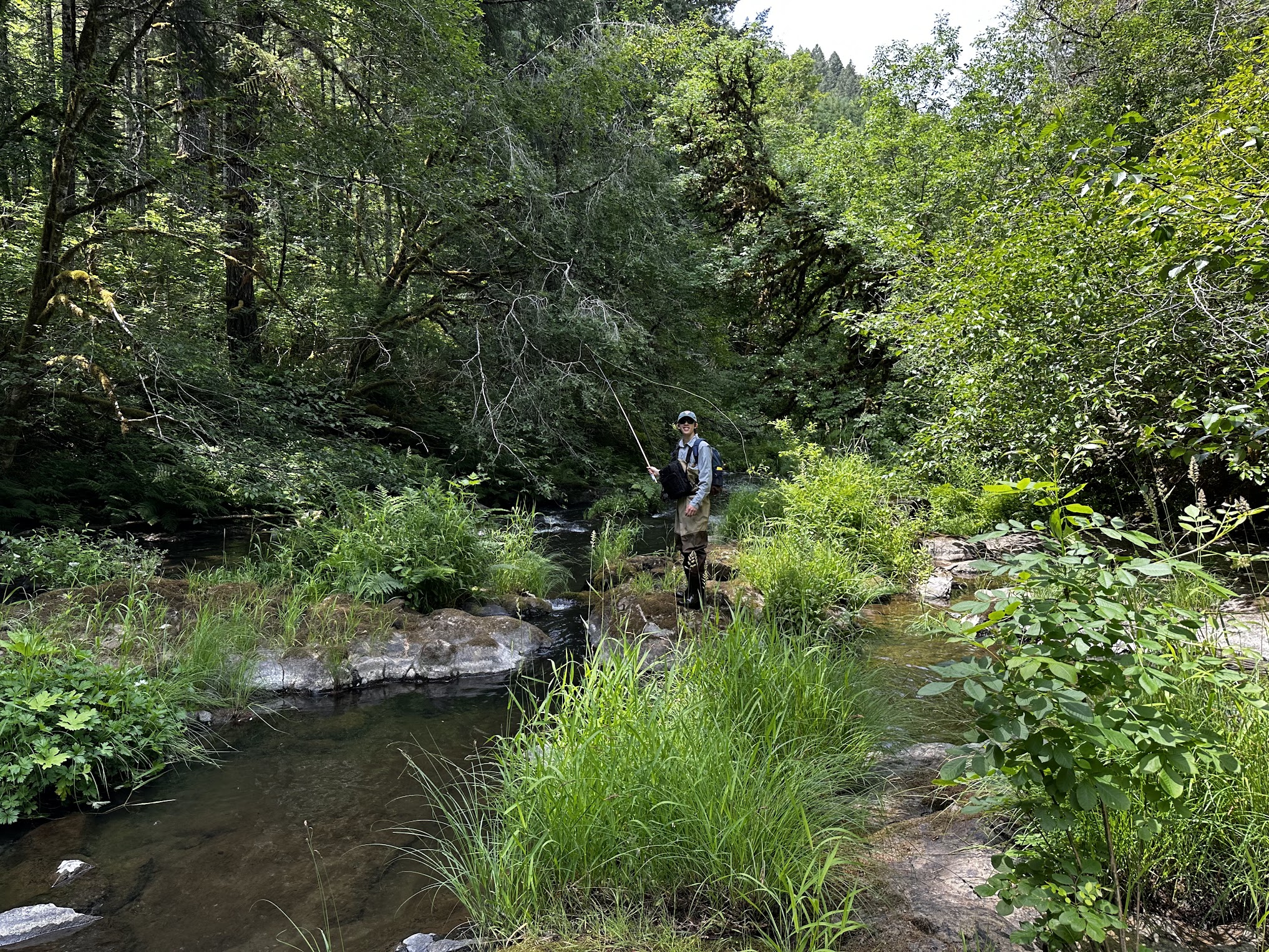
I am fascinated by aquatic environments. I grew up exploring coastlines and canoeing up the local watersheds of Oregon. Most of these trips I spent walking with a fishing pole along the canoe in waders, net in hand, collecting rocks and various critters.
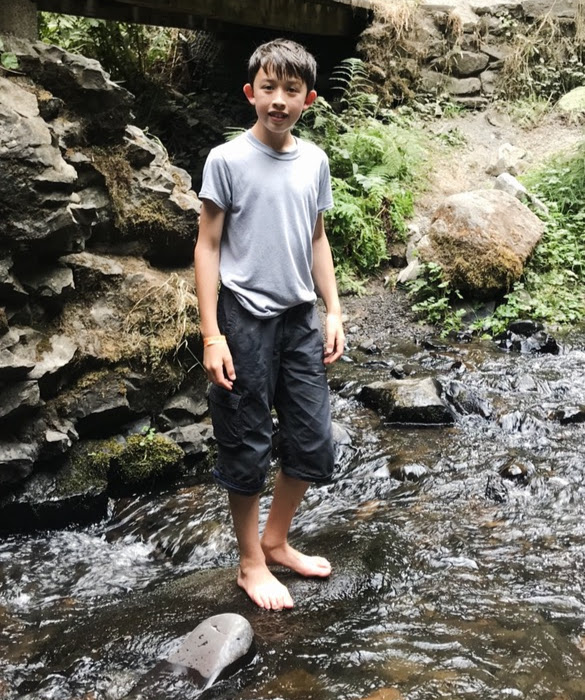
When the world declared a state of emergency in response to the Covid-19 global pandemic, I was entering my first year of high school. I suddenly lost all my activities and was stuck at home. Within a month, my stepfather, Charles, with whom I was very close, died unexpectedly of cancer.
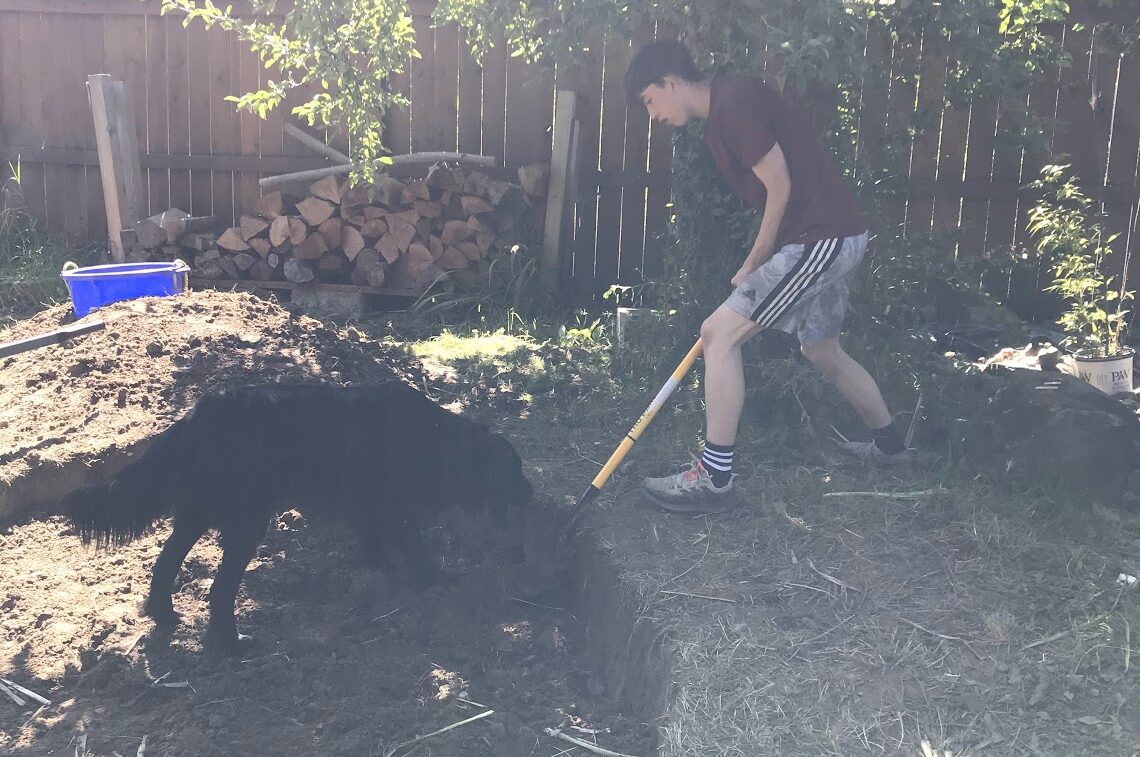
My world pitched over a sheer precipice, and I went into the backyard and started to dig.
The act of digging transformed from an outlet motivated by anger and sadness to a creative endeavor, the type I like to call a “deep dive”—a form of focus that has informed my creative practices of “world making.”
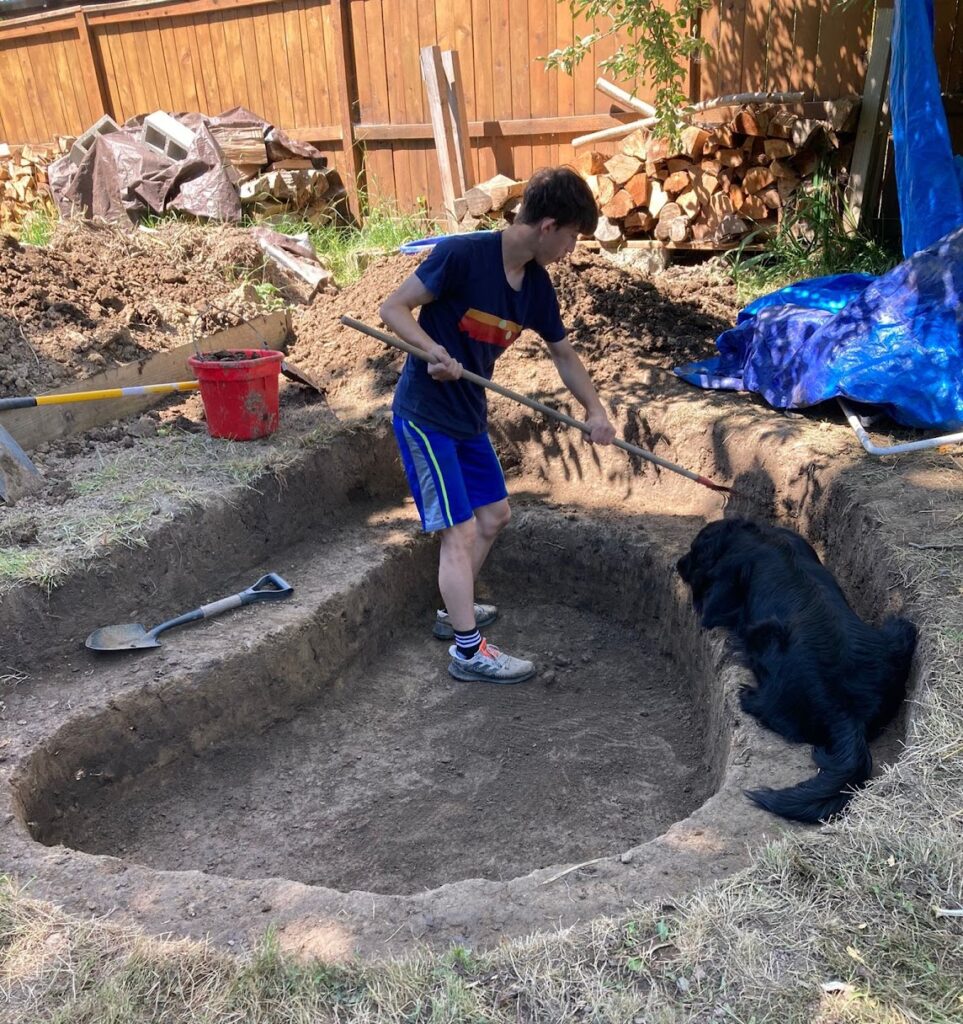
Everyday after zoom school, my dog Lazer and I would head into the backyard to dig. Eventually I completed my first pond (a rectangular hole filled with black plastic and water about 3 ft x 2.5ft x 13 ft). However, I was not happy with my work because the pond I had built was nothing like the wild ecosystems I love exploring.
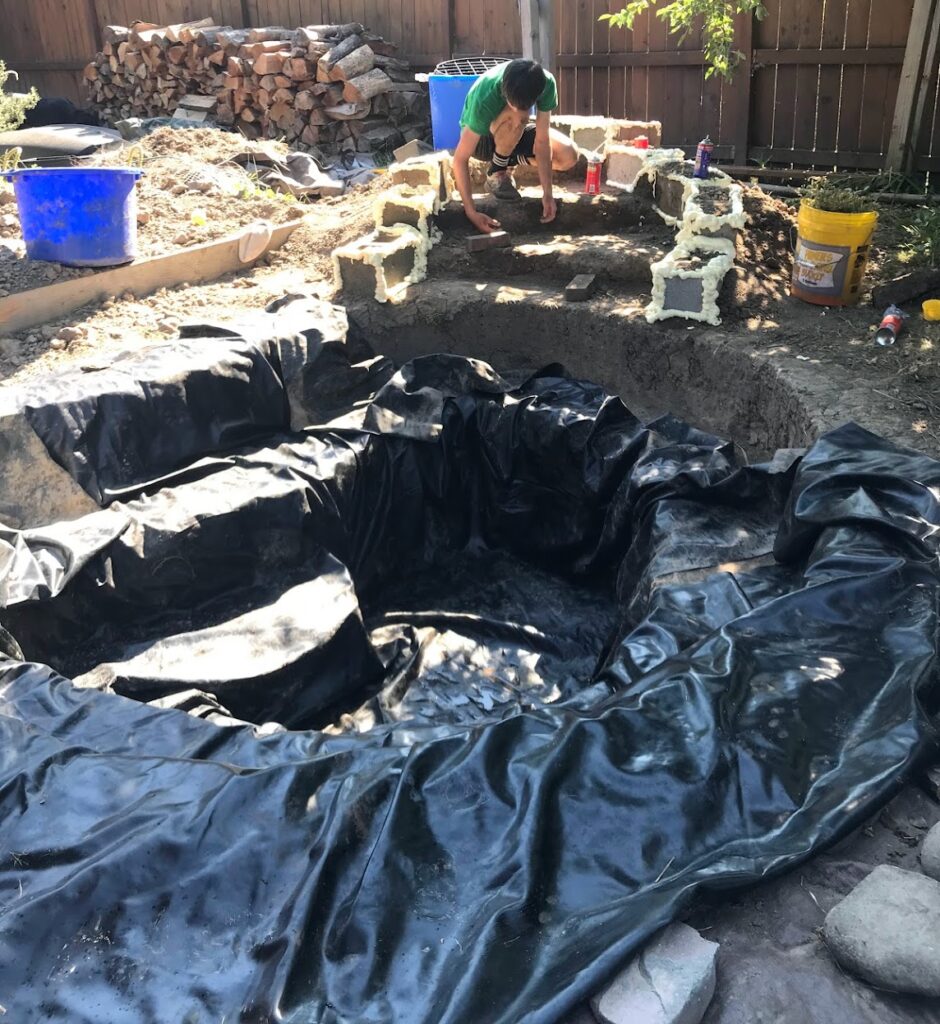
I convinced my family to join me in building a second pond. I watched hours of YouTube videos about building backyard ponds. On family hikes in the forest I kept my eyes open for creeks and small pools for inspiration. I began taking pictures and sketches of the ecosystems we visited.
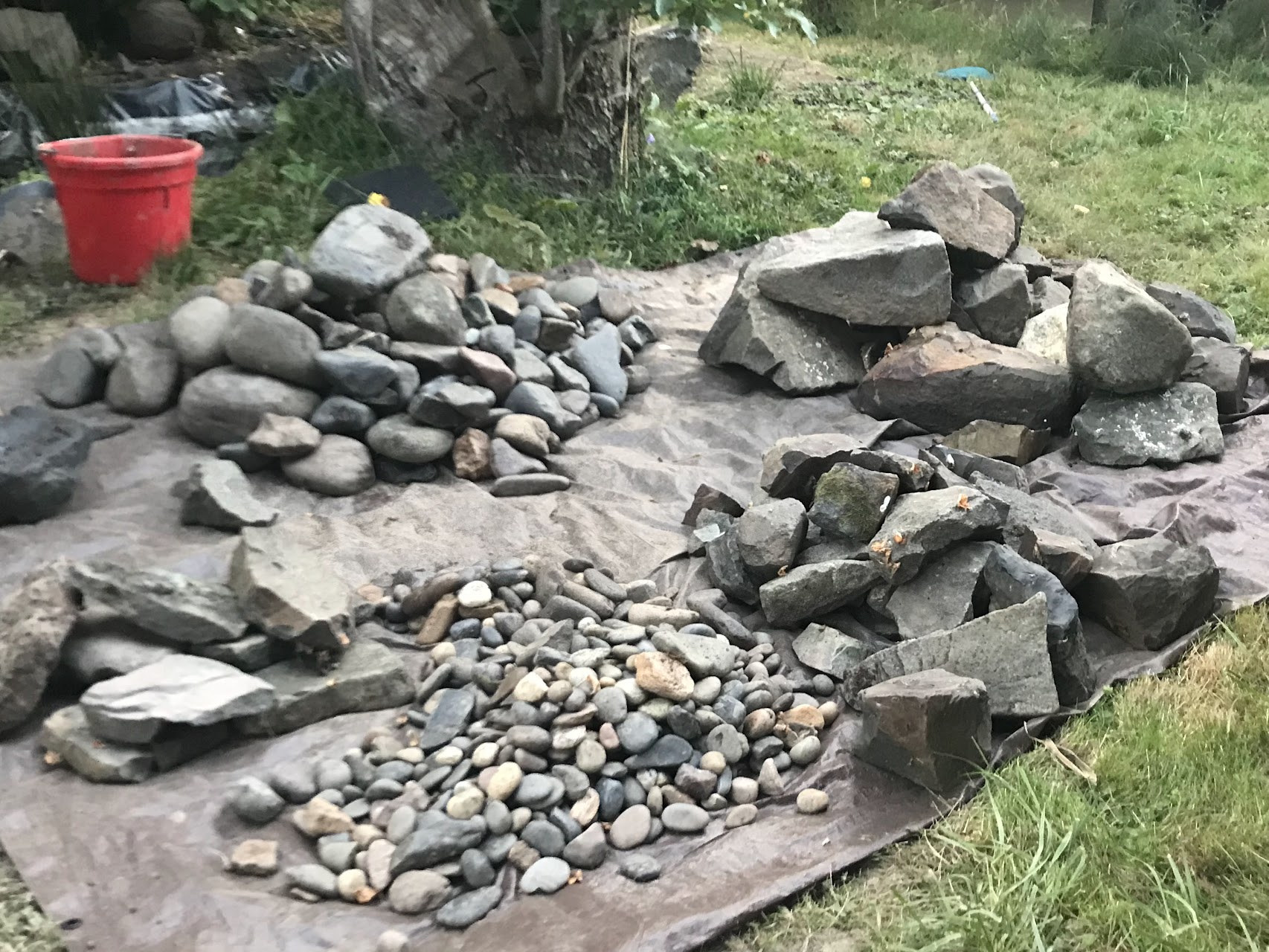
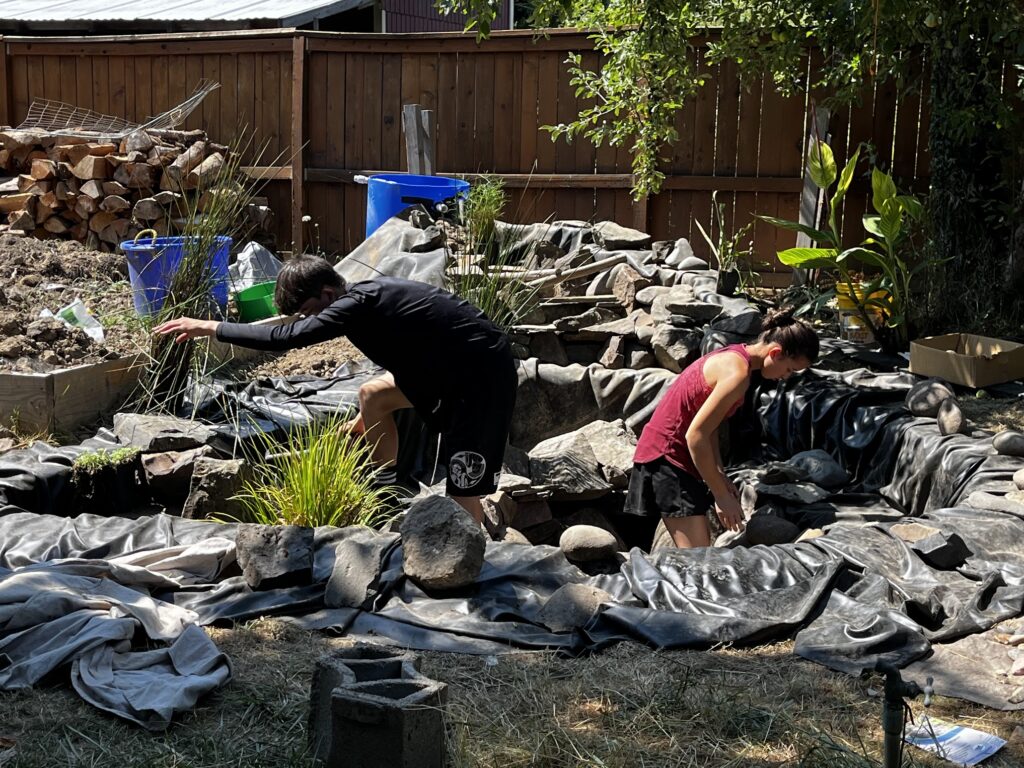
I designed a wetland filtration system (bog filter) to cultivate plants and beneficial bacteria that would serve as a natural filter for the pond. I ensured the pond was deep enough so it would not freeze solid, supporting its inhabitants to survive the winter months. I lined the pond with ledges to serve as platforms for pebbles and substrate, allowing plants to take root naturally. I ensured the flow of water circulated the entire pond preventing anoxic conditions and algal blooms.
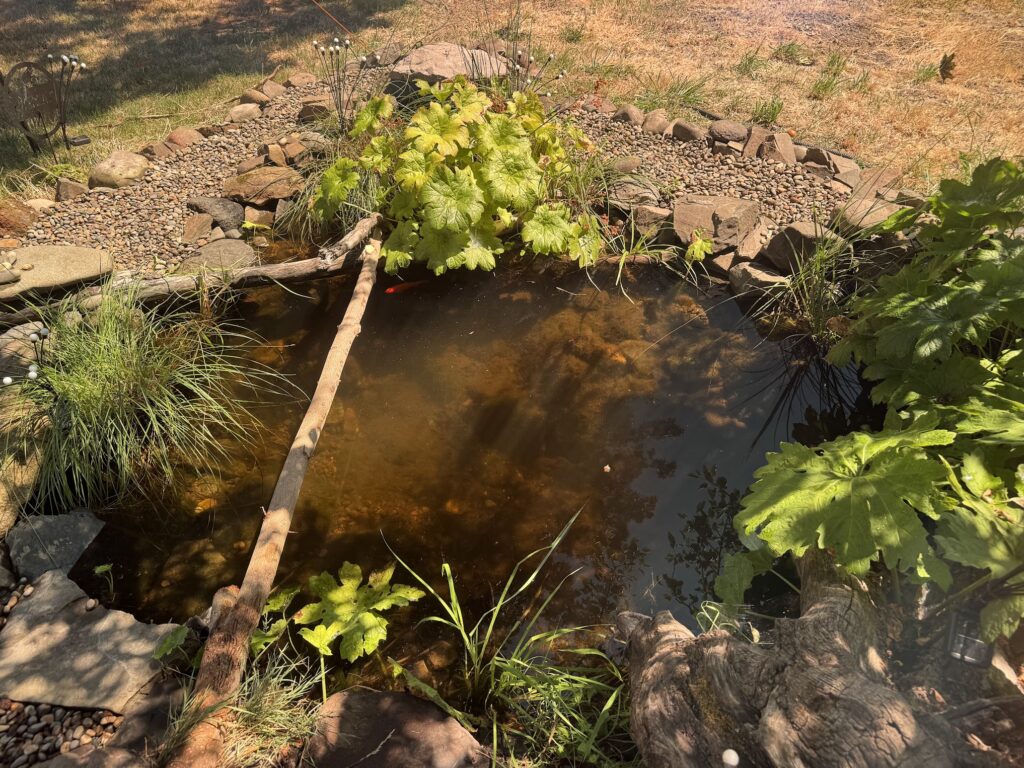
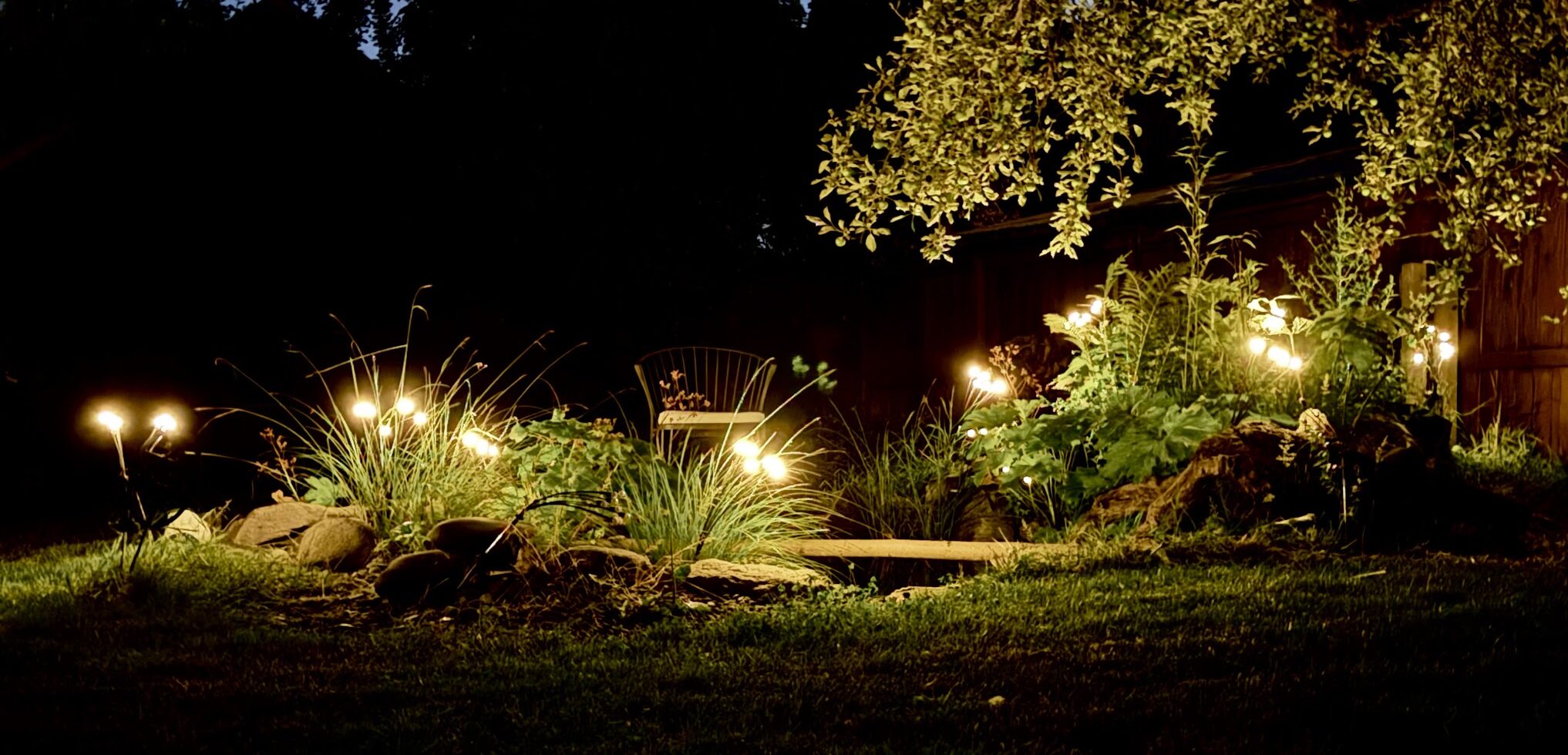
My second pond has become a thriving habitat for fish, aquatic insects, and aquatic plants. The pond is a fully functioning ecosystem which self-filters its 1600 gallons of water. Dragon flies, many bird species, and other various local wildlife gather at my pond. The pond is also a place for human enjoyment, and my neighbors and family take pleasure in its beauty and sonic components.